
Passenger Elevator
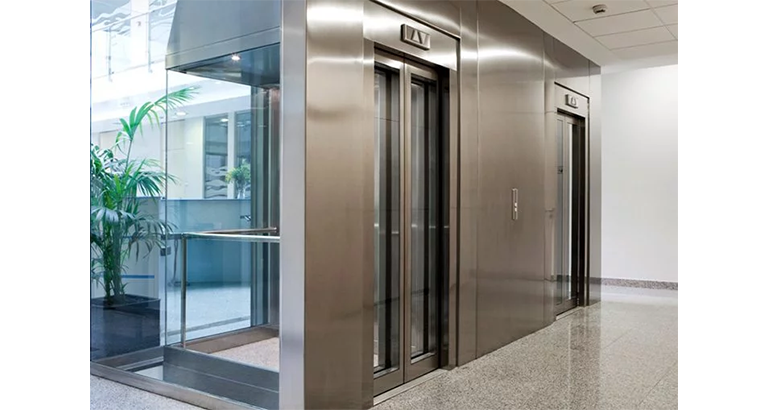
The Symbol of Modern Urban Life…
Passenger elevators are one of the fundamental components of modern buildings and enable people to move between the floors of buildings. These elevators are of great importance both in terms of comfort and accessibility. Today, passenger elevators have become indispensable in many places such as multi-story buildings, shopping malls, hotels, hospitals, and more.
History and Development
The history of passenger elevators dates back to Ancient Rome and Egypt. The first elevators were simple crane systems powered by humans or animals. In the 19th century, during the Industrial Revolution, these systems were developed using steam power and hydraulic systems. In 1853, with Elisha Otis’s invention of the safety brake, elevators stepped into the modern era. This invention prevented the elevator from suddenly falling, ensuring safety and popularizing elevator use.
Types and Technologies
Passenger elevators are classified into various types according to their purpose and technology:
Hydraulic Elevators:
Electric Elevators (Traction Elevators):
Pneumatic Elevators:
Microprocessor Controlled Elevators:
Safety Features
The safe use of passenger elevators is ensured according to specific standards and regulations. Modern elevators are equipped with various safety systems:
Energy Efficiency and Environmentally Friendly Technologies
In recent years, there has been great interest in energy-efficient and eco-friendly elevator technologies. Modern elevators are equipped with energy-saving motors, LED lighting, and smart control systems. Additionally, regenerative braking systems reduce energy consumption by recovering energy generated during descent. These innovative technologies lower operating costs and minimize environmental impact.
Areas of Use
The usage areas of passenger elevators are quite broad:
Residential Elevators:
Commercial Elevators:
Hospital Elevators:
Elevators for Disabled Individuals:
Maintenance and Inspection
Regular maintenance and inspections are crucial to ensure elevators operate safely and efficiently. Maintenance tasks are carried out periodically by authorized service providers, and all safety systems are tested. Additionally, it must be ensured that elevators comply with legal regulations.
Passenger elevators, an indispensable part of modern urban life, not only make individuals' lives easier but also enhance the functionality of living spaces.
Why? Liftland Liftland
Everyone has a story. Ours is the story of projects rising with confidence, structures completed with solid steps, and expertise blended with years of experience. As Liftland, we have been providing solutions to the elevator industry's needs in the Marmara Region for over 13 years. We not only supply quality materials but also offer technical knowledge, consultancy, and trust that add value to your projects. Because for us, every product is a critical part of a project, and every moment of support is the foundation of a collaboration.


