A Powerful and Reliable Solution for Elevation…

Hydraulic elevators are vertical transportation systems powered by hydraulic fluid pressure, typically used in low- and mid-rise buildings. These types of elevators are ideal for safely and efficiently transporting heavy loads. Hydraulic elevators can be used in a wide range of applications, from commercial buildings to residential spaces, offering various advantages.

History and Development

The origin of hydraulic elevators dates back to the 19th century when hydraulic principles were first applied. Early hydraulic elevators operated using water or oil pressure. Over time, these systems became more reliable and efficient. Today’s modern hydraulic elevators typically operate with oil- or water-based hydraulic fluids and are equipped with advanced safety mechanisms.

Operating Principle

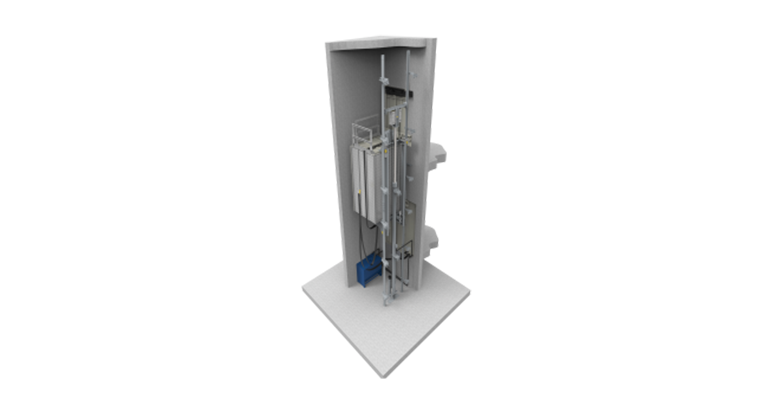
Hydraulic elevators operate through hydraulic cylinders and pumps. The main components and their operating principles are as follows:

  • Hydraulic Cylinders: These are the main components that enable the elevator’s movement. Hydraulic fluid is pumped into the cylinders, allowing the platform to move up and down.
  • Pump Unit: A motorized pump that pressurizes the hydraulic fluid. The pump directs the fluid to the cylinders, enabling the platform's movement.
  • Control System: An electronic or mechanical system that controls the elevator's movement. Users can navigate the elevator to the desired floor via the control panel.
  • Oil Tank: A reservoir where the hydraulic fluid is stored and sent to the cylinders when needed.

The operating principle of hydraulic elevators is simple: The pump pressurizes the hydraulic fluid and sends it to the cylinders. The pressurized fluid fills the cylinders, causing them to expand and push the platform upward. When descending, the fluid is withdrawn from the cylinders, and the platform moves downward under the force of gravity.

Advantages

Hydraulic elevators offer many advantages:

  • High Load Capacity: They are capable of carrying heavy loads, which is especially important in commercial and industrial applications.
  • Low Cost: Installation and maintenance costs are lower compared to electric elevators.
  • Quiet Operation: Due to the nature of hydraulic systems, they produce less noise.
  • Flexibility: They can be customized for different building types. Additionally, since they do not require an underground machine room, they save space.
  • Reliability: Their simple and durable design makes them reliable and long-lasting.

Disadvantages

However, hydraulic elevators also have some disadvantages:

  • Slow Operation: They operate more slowly compared to electric elevators. This can reduce efficiency, especially in high-rise buildings.
  • Hydraulic Fluid Issues: Leakage or contamination of hydraulic fluid can negatively affect elevator performance and cause environmental problems.
  • Energy Consumption: Hydraulic pumps continuously consume energy while the elevator is in motion, which can increase long-term energy costs.

Areas of Use

Hydraulic elevators are used in various areas:

  • Residential Buildings: Commonly used in low and mid-rise apartment buildings. They facilitate movement between floors.
  • Commercial Buildings: Used in commercial spaces such as offices, shopping malls, and hotels. Their high load capacity increases efficiency in commercial buildings.
  • Industrial Facilities: Used in factories and warehouses for transporting heavy equipment and materials. They simplify work processes in such environments.
  • Public Buildings: Used in public institutions such as hospitals, schools, and government offices to facilitate access for individuals with disabilities.

Safety Measures and Standards

The safe operation of hydraulic elevators is ensured through specific standards and regulations:

  • Overload Sensors: Provide warnings when the elevator exceeds its capacity, ensuring safety.
  • Emergency Brakes: Activate to prevent sudden stops and ensure passenger safety.
  • Speed Governors: Prevent the doors from opening unless the cabin is at the correct floor level.
  • Regular Maintenance and Inspection: Periodic maintenance and inspections are necessary for safe and trouble-free operation of elevators.

Energy Efficiency and Environmental Impact

Hydraulic elevators offer some advantages and disadvantages in terms of energy efficiency and environmental impact:

  • Energy Efficiency: Hydraulic systems consume energy only while the elevator is in motion. However, since this consumption can be continuous, it may increase costs in the long term.
  • Environmental Impact: Improper management of hydraulic fluids can lead to environmental pollution. Therefore, proper use and recycling of hydraulic fluids is essential.

Conclusion

Hydraulic elevators are ideal vertical transportation systems for low and mid-rise buildings. They stand out with their high load capacity, quiet operation, and low cost. However, disadvantages such as energy consumption and fluid leakage should also be considered.


Why? Liftland Liftland

Everyone has a story. Ours is the story of projects rising with confidence, structures completed with solid steps, and expertise blended with years of experience. As Liftland, we have been providing solutions to the elevator industry's needs in the Marmara Region for over 13 years. We not only supply quality materials but also offer technical knowledge, consultancy, and trust that add value to your projects. Because for us, every product is a critical part of a project, and every moment of support is the foundation of a collaboration.